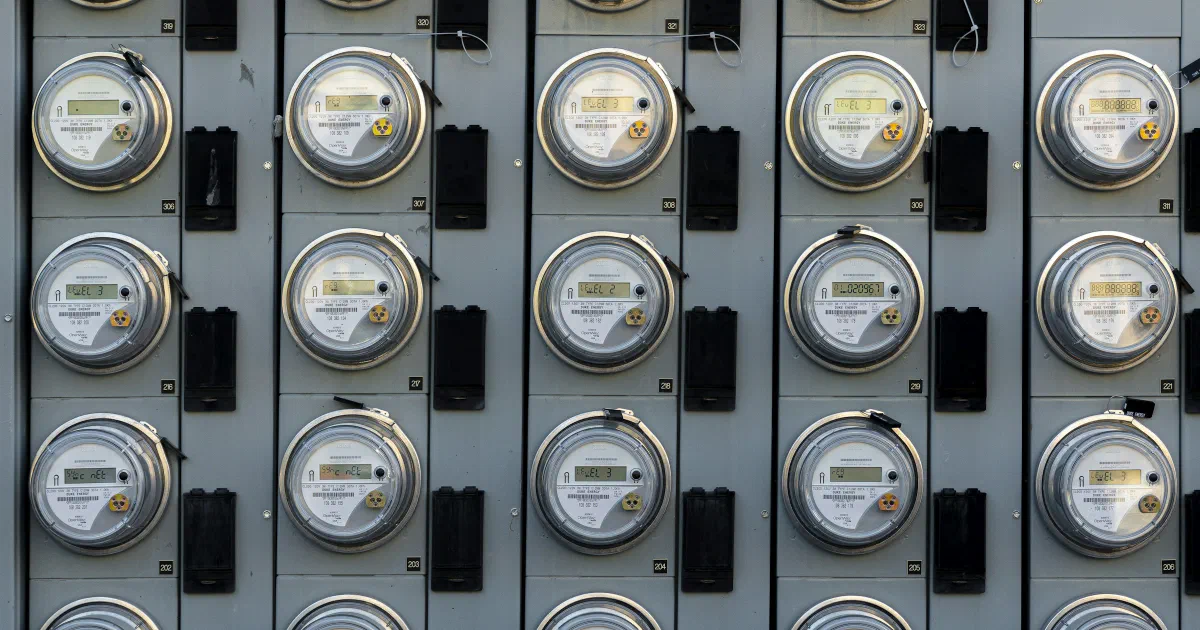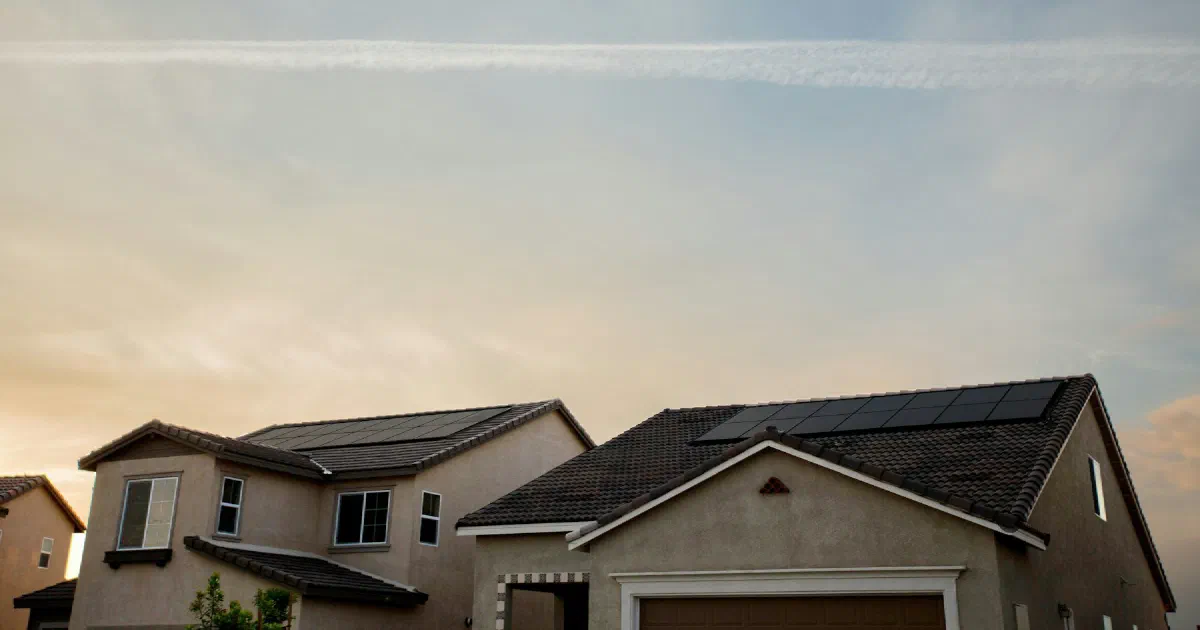
Arizona did not have an approved rate change at its largest regulated utility on October 1, 2026. Arizona Public Service (APS) has an increase pending before the Arizona Corporation Commission (ACC). The ACC approved Tucson Electric Power’s (TEP) increase on Nov. 17, 2026, effective Dec. 1.
This article covers APS, which serves about 1.5 million customers, and TEP, which serves about 455,000. Salt River Project (SRP) sets rates through its own board and is not covered.
Quick Summary
| Item | Utility | Status | Residential impact |
|---|---|---|---|
| Last base rate increase | APS | Effective March 1, 2024 | About 8.3%, $10 to $12 a month |
| Pending rate case | APS | Vote due by Dec. 31, 2026 | About 16%, roughly $20 a month (request) |
| Approved rate case | TEP | Approved Nov. 17, 2026; effective Dec. 1 | About 9.4%, about $13 a month, Basic plan (TEP) |
| October 1, 2026 | APS | n/a | No approved change found |
APS: What Is Proposed
- Revenue: $579.2 million.
- Bills: an average 16% for residential customers, about $20 a month, according to KJZZ. Small, medium and large businesses would see 6% to 8%. Data centers would see about 45%.
- Return on equity: APS asked for 10.7%. The state’s residential consumer office recommended about 9%.
- Formula rates: APS wants annual formula-based adjustments for five years in place of traditional rate cases. Consumer advocates say that would mean yearly increases with less scrutiny.
Timeline, per the Arizona Corporation Commission: the hearing began May 18, 2026 and concluded July 7 after 31 days. The administrative law judge’s Recommended Opinion and Order is expected by late November 2026. The deadline for the commission to vote on it is December 31, 2026. New rates are expected in early 2027.
TEP: Approved November 17, 2026
The ACC approved TEP’s rate increase on Nov. 17, 2026 (4-1, per news reports) in docket E-01933A-25-0103. TEP says average residential bills on its Basic plan rise about 9.4%, or about $13 a month, from Dec. 1, 2026 (TEP release). See our TEP rate case coverage.
What TEP said its original request would do:
| Plan | Monthly increase |
|---|---|
| Basic plan, median use of 638 kWh | $12.92 |
| Basic plan, summer median of 823 kWh | $14.14 |
| Time-of-use plan | $13.32 |
| Demand plan | $15.59 |
TEP describes this as 11.6%, or about 12%. News reports earlier in the year described the request as 13% to 14% and about $172 million, with a 10.5% return on equity against 9.55% today. The Attorney General’s office argued TEP could maintain reliability with 4%.
The hearing ran from April 22 to May 12, 2026. An administrative law judge’s recommended order on Oct. 20 would have raised average residential bills about 11.2%, according to AZ Luminaria and Consumer Reports; the commission’s Nov. 17 vote set the final figure above.
Arizona Net Metering and Solar Export Credits
Arizona ended net metering for new customers under a 2016 Arizona Corporation Commission decision (Decision No. 75859). APS and TEP now use net billing.
- How it works: solar you use as it is produced offsets your usage at the retail rate. Power you export earns a lower, fixed export rate.
- APS export rate: about 6.17¢ per kWh for systems interconnected in 2026, according to an installer summary. The rate is locked for 10 years from interconnection.
- Yearly reset: the rate offered to new customers can fall by no more than 10% a year. The same summary says APS proposed about 5.55¢ from September 2026, pending approval.
- TEP export rate: about 5¢ to 6¢ per kWh, with a lock of up to 10 years.
- Grid access charge: APS has proposed doubling the monthly charge solar customers pay, which KJZZ described as currently $2 to $3.
What it means: at roughly 6¢ for exports against a retail rate around 15¢, solar you use yourself is worth more than twice what you export. Systems sized to daytime use, or paired with a battery, pay back faster. A larger fixed charge would lengthen payback.
What Happens Next
- Late November 2026: expected recommendation in the APS case.
- By December 31, 2026: ACC vote on APS.
- Tentatively Nov. 17, 2026: ACC open meeting on the TEP recommended order; new TEP rates could start as soon as Dec. 1 if approved (AZ Luminaria).
- Early 2027: new APS rates, if approved.
Limitations
All APS and TEP figures here are requests, not approved rates. The ACC’s docket system could not be opened, so timelines come from the commission’s news posts and TEP’s rate page. The TEP recommended order and the Nov. 17 meeting date come from news and Consumer Reports reports; we could not open the order itself. SRP and electric cooperatives were not researched. Net metering terms on this page were last reviewed on October 5, 2026.
Arizona Statewide Average
The U.S. Energy Information Administration (EIA) puts Arizona’s average residential price at 15.05¢/kWh in August 2026, down 0.3% from 15.09¢ in August 2025. The U.S. average was 18.16¢. At 1,000 kWh that works out to $150.50 (1,000 × 15.05¢). This is EIA’s statewide figure: all residential revenue divided by all residential kWh, across every utility, fixed charges included. It is preliminary, and it is not any one utility’s rate.
Changes since first publication: Nov. 20, 2026: ACC approval of TEP rates (about +9.4% Basic plan from Dec. 1); Oct. 28, 2026: ALJ recommended order (about +11.2%).
Sources
- KJZZ, “APS wants to raise rates. But it’s also asking for a major overhaul in how it charges customers,” March 5, 2026
- Arizona Capitol Times, “APS rate case kicks off with hours of protest over 14% rate increase,” May 19, 2026
- Arizona Corporation Commission, “What’s Next in the APS Rate Case?” July 10, 2026
- AZ Luminaria, “TEP rate case: Judge backs 11% bill increase, yearly updates,” Oct. 22, 2026
- Consumer Reports, Oct. 23, 2026
- Tucson Electric Power, 2026 Rates
- Arizona Corporation Commission, “TEP Rate Case Timeline Update,” Feb. 17, 2026
- AZ Luminaria, “TEP rate case: What Tucson customers need to know,” May 25, 2026
- ABC15, “Critics: Arizona Corporation Commission rushed vote on APS rate case,” Feb. 2024
- SolarFY, “Arizona Net Metering & Solar Buyback Rates in 2026”
- U.S. Energy Information Administration, Electric Power Monthly, Table 5.6.A (August 2026 data, released October 23, 2026)
Frequently asked questions
Did APS rates go up on October 1, 2026?
We found no approved change on that date. APS's hearing ran from May 18 to July 7, 2026. The Arizona Corporation Commission says a judge's recommendation is expected by late November and the deadline for a commission vote is December 31, 2026.
How much is APS asking for?
About $579.2 million. KJZZ reported an average 16% increase for residential customers, about $20 a month. The Arizona Capitol Times described it as 14% overall and about $240 a year for an average household.
Does SRP follow the same process?
No. Salt River Project is governed by its own elected board, not the Arizona Corporation Commission, and is not covered in this article.
What does APS pay for exported solar power?
About 6.17 cents per kWh for systems interconnected in 2026, according to an installer summary of the APS export rate. The rate is locked for 10 years, and the rate offered to new customers can fall by up to 10% a year. Arizona ended net metering for new customers in 2016.