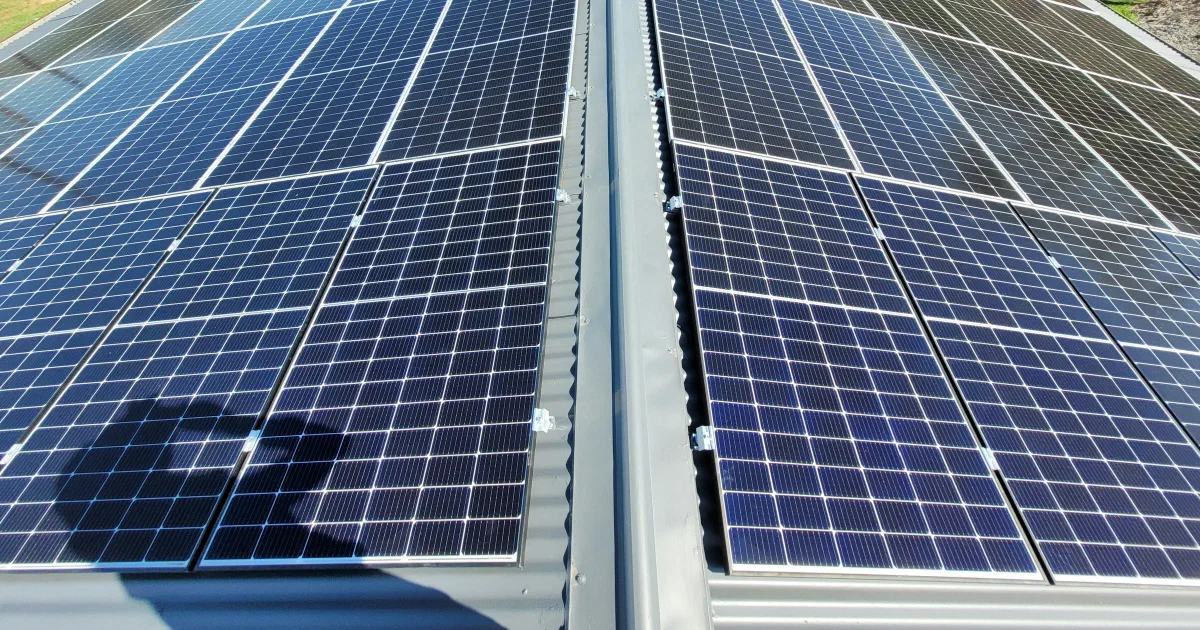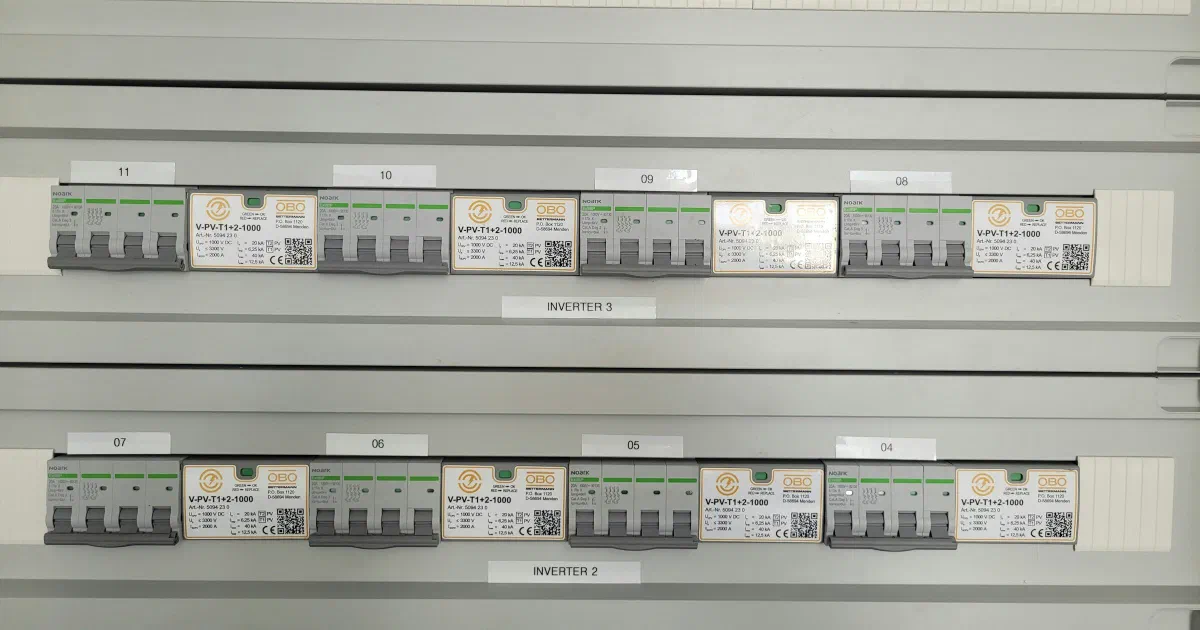
A home solar battery costs about $15,650 installed before incentives in 2026: EnergySage, a quote marketplace, says solar batteries “typically cost $15,647” for 13.5 kWh of storage. Berkeley Lab data point to a similar range: in 2025, cash-purchase solar systems with storage had median prices $2.1 per watt higher than solar alone, about $16,170 on a typical 7.7 kW system.
There is no federal tax credit to take off that price for a battery you own and installed in 2026. Below we show where the cost comes from, how it varies by brand and size, and the simple math for whether a battery can pay for itself on your rate plan.
Solar Battery Cost at a Glance
| Measure | Figure | Source and basis |
|---|---|---|
| Typical installed price | $15,647 for 13.5 kWh, before incentives | EnergySage, updated July 13, 2026 |
| Added price of storage on a solar system | $2.1/W higher median for PV + storage than PV alone | Berkeley Lab, cash purchases, 2025 installs, real 2025 dollars |
| Same premium on a 7.7 kW system | About $16,170 | Our arithmetic: 7,700 W × $2.1 |
| Median battery size | 13.5 kWh | Berkeley Lab, 2025, mostly California data |
| Share of new home solar systems with a battery | 37% in 2025, up from 25% in 2024 | Berkeley Lab |
| Federal 25D credit | Ended for installations completed after Dec. 31, 2025 | IRS |
Sources: EnergySage, updated July 13, 2026; Berkeley Lab, U.S. Distributed Solar and Storage 2026 Data Update; IRS OBBB credit FAQs. The 7.7 kW median system size is from the same Berkeley Lab update.
The two main figures measure different things. EnergySage’s number is a typical quoted price for a battery installation. Berkeley Lab’s is the difference in median price between two groups of completed systems, about 80% of them in California for the paired data. They land close together, which makes about $15,000 to $16,000 a reasonable planning number for one 13.5 kWh battery, before any state or utility incentive. Your quote can be well above or below that.
Price per kWh by Brand
EnergySage published “the average price per kWh of the 10 most quoted batteries on EnergySage in the first half of 2026.” Three common home batteries:
| Brand (per EnergySage) | Avg. price per kWh | Capacity used | Battery cost before incentives |
|---|---|---|---|
| Tesla | $967 | 13.5 kWh | $13,055 |
| FranklinWH | $1,232 | 15 kWh | $18,480 |
| Enphase | $1,429 | 10 kWh | $14,290 |
EnergySage labels this table “battery cost (assuming no incentives)” and does not say whether every figure includes installation. Its state-by-state table, by contrast, is labeled total installed cost. Prices also spread well beyond these three: EnergySage says MidNite Solar offers some of the most affordable batteries “at about $342/kWh.”
Price per kWh is the fairer comparison when capacities differ. In the table above, the Enphase battery costs less in total than the FranklinWH, but it holds 5 kWh less and costs more per kWh. For specs side by side, see our Tesla Powerwall vs Enphase vs FranklinWH comparison.
What You Pay For
EnergySage says “equipment costs typically account for 50-60% of the price of an energy storage system,” and “labor and project planning make up most of the remaining costs.” Things that move a quote up or down:
- Capacity (kWh). More storage costs more, though a second battery may cost less than the first if it shares installation work and equipment. Ask for a per-battery price.
- Inverter. Some batteries include one; others need a separate unit. EnergySage says “the inverter could add a couple of thousand dollars to your system cost.”
- Backup wiring. Whole-home backup or a separate critical-loads panel adds electrical work. Ask the installer to list it as its own line.
- Electrical panel. An older or full main panel may need an upgrade before a battery can be connected. This is a common add-on; get it priced in writing.
- Adding to an existing system versus new. A battery added later may need different equipment than one installed with new panels. Ask for both prices if you are deciding now.
Berkeley Lab also found that median battery power output rose sharply in 2025. Mercom, reading the lab’s charts, reports the median discharge capacity rose “from 6 kW to 11.4 kW,” a rise Mercom attributes mainly to the Tesla Powerwall 3. Higher power lets a battery run more appliances at once; it does not add hours of storage.
Tax Credits in 2026
The federal residential clean energy credit (Section 25D) used to cover home batteries; the IRS says “battery storage technology must have a capacity of at least 3 kilowatt hours” to qualify. That credit has ended. The IRS says the credit “will not be allowed for any expenditures made after December 31, 2025,” and that an expenditure is treated as made “when the original installation of the item is completed.” A battery finished in 2026 does not qualify, even if you signed or paid in 2025.
That makes the price before incentives the real price for most buyers. Some states and utilities run their own storage programs, and the terms vary widely; check with your utility and state energy office before you sign. If a leased or third-party-owned system is offered, ask the provider in writing which incentives it is claiming and whether any of that value reaches your price. Our solar payback guide without the federal credit covers the same shift for panels.
Will a Battery Pay for Itself?
A battery saves money only by moving electricity from a time when it is cheap or poorly paid to a time when it is expensive. How much that is worth depends on your utility’s rate plan: time-of-use price gaps, how exports are credited, and demand charges, if any. Backup during outages has value too, but it does not show up on a bill.
Here is the bar a battery has to clear, using EnergySage’s typical price:
- Price: $15,647
- To pay back in 10 years: $15,647 ÷ 10 = about $1,565 a year
- Per day: $1,565 ÷ 365 = about $4.29 a day
- If the battery shifts 10 kWh a day: $4.29 ÷ 10 = about 43¢ per kWh of savings needed on each kWh shifted
Assumptions: no incentives, no financing cost, the battery cycles every day of the year, and no round-trip losses or capacity fade. The last three make the real hurdle higher; a state or utility incentive would lower it. For scale, 43¢ is more than twice the average U.S. residential price of 18.16¢ per kWh in August 2026, according to preliminary EIA data (see our electricity prices by state). Unless your rate plan has a very wide gap between cheap and expensive hours, a battery is likely to be mainly backup that saves some money rather than an investment that pays for itself in 10 years. Homes with large time-of-use price gaps, low export credits, or frequent outages are the exceptions worth pricing.
To run your own numbers, see best home batteries for time-of-use rates and how to size a home battery. If backup is the goal, start with best home batteries for backup power.
How to Check a Battery Quote
- Get the price per usable kWh. Divide the total by the battery’s usable capacity, then compare with the brand averages above.
- Ask what is included. Inverter, backup gateway or panel, electrical upgrades, permits and monitoring should each be listed.
- Ask for the rate assumptions. Any savings estimate should name your rate plan and how exports are credited.
- Check the warranty. Look at the years covered and the capacity the battery must keep by the end of it.
- Price it with and without solar. If you are also buying panels, our solar panel cost guide shows typical 2026 system prices.
Sources and verification
| Important claim | Source | Status |
|---|---|---|
| Typical cost $15,647 for 13.5 kWh, before incentives (no data period stated); brand averages ($967, $1,232, $1,429 per kWh) from the 10 most quoted batteries, first half of 2026; MidNite about $342/kWh; equipment 50-60%; inverter “a couple of thousand dollars”; page updated July 13, 2026 | EnergySage | Verified (industry marketplace data) |
| Storage attachment 37% in 2025 (25% in 2024); median 13.5 kWh; cash PV + storage median $2.1/W higher than PV alone; ~80% California data; real 2025 dollars; median system 7.7 kW | Berkeley Lab 2026 data update | Verified |
| Median discharge power rose from 6 kW to 11.4 kW | Mercom, Oct. 6, 2026, reading Berkeley Lab charts | Qualified (secondary report) |
| Batteries of at least 3 kWh qualified under 25D; credit not available for property placed in service after Dec. 31, 2025 | IRS, residential clean energy credit (updated July 4, 2026) | Verified |
| Section 25D not allowed for expenditures after Dec. 31, 2025; made when installation is completed | IRS | Verified |
| U.S. average residential price 18.16¢/kWh, August 2026 (preliminary) | EIA Electricity Monthly Update | Verified |
| $16,170 premium; payback hurdle ($1,565 a year, $4.29 a day, 43¢/kWh) | Our arithmetic from the figures above | Calculated |
Checked Nov. 6, 2026. Prices are before incentives and vary by installer, home and region.
Frequently asked questions
How much does a solar battery cost in 2026?
EnergySage says solar batteries typically cost $15,647 before incentives for 13.5 kWh of storage, on a page updated July 13, 2026. Berkeley Lab found that adding storage raised median cash prices by $2.1 per watt in 2025, about $16,170 on a 7.7 kW system by our arithmetic.
How much does a battery cost per kWh?
Across the 10 most quoted batteries on EnergySage in the first half of 2026, average prices ranged from about $967 per kWh (Tesla) to $1,429 per kWh (Enphase), with FranklinWH at $1,232. EnergySage says MidNite Solar was among the cheapest at about $342 per kWh.
Is there still a federal tax credit for home batteries?
Not for homeowners under Section 25D. The IRS says the credit is not allowed for expenditures made after Dec. 31, 2025, and an expenditure counts as made when the original installation is completed. Check state and utility programs instead.
Does the price include installation?
EnergySage's state figures are labeled total installed cost before incentives. It says equipment is typically 50% to 60% of the price, with labor and project planning making up most of the rest, and that an inverter could add a couple of thousand dollars if the battery does not include one.
How big a battery do most homes get?
Berkeley Lab reports a median residential storage capacity of 13.5 kWh in 2025, based mostly on California data. Size yours to the loads you want to back up or shift, not to the median.