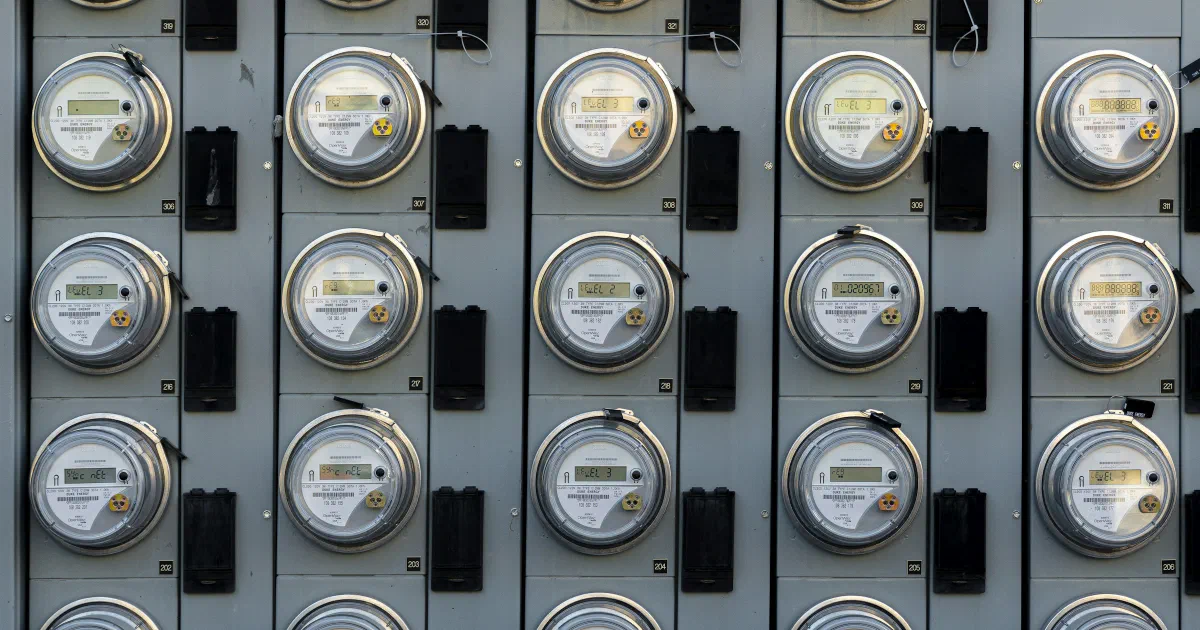
Iowa did not have a base rate change on October 1, 2026. The state’s two large utilities are in different positions: Alliant Energy is under a base rate freeze, and MidAmerican Energy is seeking an increase.
This article covers Alliant Energy (Interstate Power and Light) and MidAmerican Energy. It does not cover cooperatives or municipal utilities.
Quick Summary
| Item | Utility | Status |
|---|---|---|
| Base rates | Alliant | Changed October 2024; frozen until at least late 2029 |
| Riders | Alliant | Changing in 2026; bills expected to rise |
| Proposed rate increase | MidAmerican | Docket RPU-2026-0001; comment meetings Sept. 8 to 10, 2026 |
| October 1, 2026 | Both | No base rate change found |
Alliant: Frozen Base Rates, Moving Riders
Alliant’s Iowa outlook page says new base rates took effect in October 2024, and that a moratorium “keeps base rates stable until at least late-2029.”
It also says overall 2026 electric bills are expected to rise for residential customers, because of:
- The Renewable Energy Rider ending, with its costs moving into base rates.
- The Tax Benefit Rider expiring on October 1, 2025. That rider had been lowering bills.
- A higher Regional Transmission Service charge.
- Partly offset by an expected decrease in the Energy Adjustment Clause, which recovers fuel costs.
Alliant lists its residential basic service charge at $0.5096 a day, about $15.50 a month.
MidAmerican: Increase Proposed
On June 2, 2026, the Iowa Utilities Commission approved the customer notices MidAmerican must send before filing a rate case (docket RPU-2026-0001). Under Iowa law, temporary rates can start 10 days after a utility files and are subject to refund with interest. Comment meetings were set for September 8 to 10 in Cedar Rapids, Des Moines, Sioux City and online.
The commission’s release does not state the size of the increase, and we did not find it elsewhere.
MidAmerican says Iowa’s residential electric rates rank sixth lowest in the country. A local TV report said Alliant’s residential rates were 62% higher than MidAmerican’s in 2024.
What This Means for Homeowners With Solar
Iowa law (Iowa Code 476.49) keeps solar credits at the retail rate for now, with a change scheduled.
- Two billing methods: utilities offer either net billing, with kWh credits at the retail rate, or inflow-outflow billing, with dollar credits measured over short intervals.
- MidAmerican: uses inflow-outflow. Power sent to the grid is credited at the retail volumetric rate including riders, measured in 15-minute increments.
- Rate lock: the outflow rate that applies when you install is fixed for 20 years, even if the rules change later.
- Size limit: up to 1 megawatt, and no more than 110% of your annual use.
- What changes: the Iowa Utilities Commission must develop a “value of solar” method when distributed generation reaches 5% statewide or by July 1, 2027, whichever is first. After that, the outflow rate for new customers can adjust each year, by no more than 5% up or down.
What it means: a system installed before the value-of-solar rate takes effect locks in today’s retail-rate credit for 20 years. That makes timing matter more in Iowa than in most states.
Rules checked October 5, 2026. Solar tariffs change, so confirm the current terms with your utility before you sign a contract. Our solar payback guide shows how the retail rate and the export credit change the math.
What to Check on Your Bill
- The basic service charge.
- The Energy Adjustment Clause.
- The Regional Transmission Service line.
- MidAmerican customers: any line labeled temporary or interim rates.
For help sorting the lines on your bill, see our guide to reading your electric bill.
Limitations
Alliant information comes from its own customer outlook page. We did not find MidAmerican’s proposed amount, its filing date or whether temporary rates have started. We did not open commission dockets.
Compare With Nearby States
Statewide average for context: the U.S. Energy Information Administration (EIA) puts Iowa’s average residential price at 17.06¢/kWh in August 2026, up 10.2% from 15.48¢ in August 2025. The U.S. average was 18.16¢. At 1,000 kWh that works out to $170.60 (1,000 × 17.06¢). This is total residential revenue divided by kWh sold across every utility in the state, fixed charges included, and it is a preliminary estimate. It is not any one utility’s rate.
Rate rules stop at the state line, and often at the utility boundary. See our guides for Illinois, Minnesota, Nebraska, Wisconsin, or the full rates by state list.
Sources
- Alliant Energy, Iowa Energy Cost Outlook
- Iowa Utilities Commission, “IUC issues order approving customer notices for MidAmerican Energy Company proposed rate increase,” June 2, 2026
- MidAmerican Energy, “MidAmerican pushes back on report’s misleading claims,” 2026
- KTVO, “Businesses push for Alliant Energy to lower its proposed rate increase”
- Iowa Code 476.49, Billing methods for distributed generation customers
- MidAmerican Energy, Customer Interconnection and Rates Information
- U.S. Energy Information Administration, Electric Power Monthly, Table 5.6.A (August 2026 data, released October 23, 2026)
Frequently asked questions
Did Iowa electric rates change on October 1, 2026?
We found no base rate change on that date. Alliant Energy's base rates are frozen until at least late 2029. Riders can still change.
If Alliant's base rates are frozen, why is my bill higher?
Alliant says 2026 electric bills are expected to rise because a renewable energy rider ended and its costs moved into base rates, a tax benefit rider expired on October 1, 2025, and the regional transmission charge is expected to rise.
Is MidAmerican Energy raising rates?
It has proposed to. The Iowa Utilities Commission approved customer notices in June 2026 in docket RPU-2026-0001 and scheduled comment meetings for September. We did not find the proposed amount.
How is rooftop solar credited in Iowa?
Under Iowa Code 476.49, exported power is credited at the retail volumetric rate, either as kWh credits or under inflow-outflow billing. The rate in effect when you install is locked for 20 years. A value-of-solar method must be developed by July 1, 2027, or when distributed generation reaches 5%, and will apply to later customers.