Affiliate disclosure. Solar Examiner may earn a commission from affiliate links on some guides. This article contains none, but our commercial relationships never decide what we recommend. See our affiliate disclosure and how we pick products.
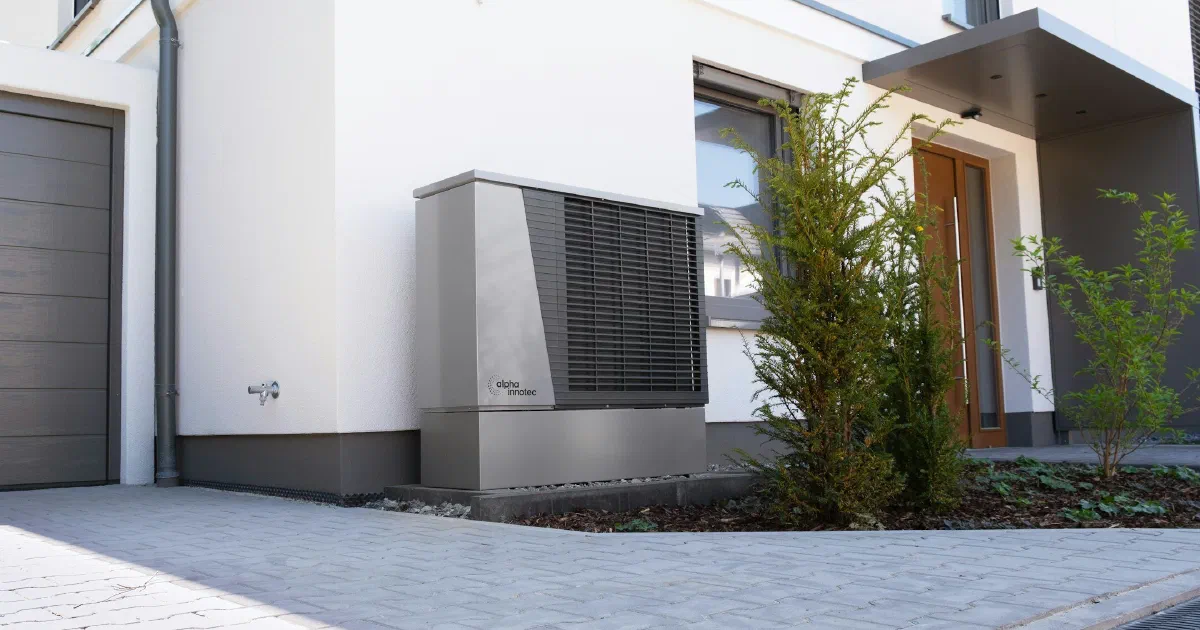
To choose a heat pump, size it first (a Manual J load calculation), then compare HSPF2 (heating) and SEER2 (cooling) for the climate you live in, then compare installers and incentives. A bigger or “higher-SEER” unit is not automatically better. Figures here come from DOE, ENERGY STAR, NEEP and EnergySage, read October 24, 2026. See how we pick products and the model-by-model view in best heat pumps for cold climates.
The short answer
| Step | What to do | Why |
|---|---|---|
| 1 | Get a written Manual J load calculation | Equipment must match the home’s load |
| 2 | Pick the type: ducted, ductless mini-split or hybrid | Depends on existing ducts and rooms |
| 3 | Compare HSPF2 and SEER2 for your climate | Heating vs cooling emphasis |
| 4 | Check low-temperature capacity if you live in a cold area | Cold-climate rating |
| 5 | Compare warranties and installers | Installation quality drives results |
| 6 | Check incentives and panel capacity | Credits ended; rebates vary |
What SEER2 and HSPF2 mean
- SEER2: seasonal cooling efficiency, from DOE’s revised test procedure, designed to better reflect real installations.
- HSPF2: seasonal heating efficiency for heat pumps under the same revised procedure.
- Comparability: DOE says SEER2 and SEER are similar but “not directly comparable.” Compare new ratings to new ratings.
Minimums. DOE’s FAQ on the 2023 standards says split-system heat pumps must meet 14.3 SEER2 and 7.5 HSPF2 nationwide, effective January 1, 2023, with regional standards applying only to air conditioners. ENERGY STAR’s page links to its own criteria, which we did not read in full, so check the current ENERGY STAR product list for your model.
Which number to prioritize. DOE says in colder climates get the highest HSPF feasible and in warmer climates SEER matters more. For cold climates, the NEEP specification (v3.1) requires COP above 1.75 at 5°F, HSPF above 10 (non-ducted) or above 9 (ducted) and SEER above 15, and ENERGY STAR cold-climate units are tested down to 5°F.
Sizing
ENERGY STAR says a contractor should verify system size using Manual J. DOE’s Building America sizing guideline (2012) says equipment must be selected to meet the peak load without grossly oversizing, and for heat pumps limits capacity to 15% over the Manual J load in cooling-dominated climates, with heating capacity up to 25% over in heating-dominated climates. It also recommends a balance-point diagram to size supplemental and emergency heat.
What to ask for:
- A written Manual J (heating and cooling loads) using your home’s real insulation, windows and air leakage.
- Rated capacity at your design temperature from the manufacturer’s performance tables.
- The plan for backup heat.
- Duct condition and airflow. DOE recommends about 400 to 500 cfm per ton of cooling capacity and notes efficiency drops well below 350 cfm per ton.
Be wary of a quote that sizes by “rule of thumb” or by what your old system was. Our math for a sanity check (illustration only): if Manual J says your design heating load is 36,000 BTU/h, the 25% ceiling in a heating-dominated climate is 36,000 × 1.25 = 45,000 BTU/h of heating capacity at your design temperature.
Pick the type
DOE says mini-splits are generally the best retrofit option for homes without ductwork and allow zone heating. It estimates roughly 12 to 25 percent of homes in warmer climate zones and about 32 percent in colder zones lack ductwork. Ducted systems suit homes with good, sealed ducts.
Costs
EnergySage’s June 29, 2026 guide puts the average new heat pump at $15,393 before incentives and most installations at $14,353 to $25,957, based on marketplace quotes. Its November 2025 cold-climate guide reported whole-home installs averaging about $19,000 in 2025. Different scopes, so expect your quote to vary. See how to compare solar quotes for a similar quote checklist and winter heating costs for energy cost context.
Incentives
- Federal credit: the IRS says the energy efficient home improvement credit applies to improvements made through December 31, 2025 (with a $2,000 annual heat pump limit). EnergySage’s June 2026 guide says it is gone.
- State Home Energy Rebates: a June 2026 factsheet reports twelve states and DC had launched programs (it says thirteen in one place), targeted to low- and moderate-income households, with HEEHR rebates capped at $14,000 per household (Georgia and North Carolina up to $16,000).
- Utility and state rebates: vary widely. Check your state in Rates by State and your utility’s site.
Confirm eligibility with your state energy office and a tax professional.
Who should skip or delay
- Homes with severe air leakage or duct problems.
- Buyers whose installer won’t provide Manual J.
- Households with a very recent efficient system.
- Anyone relying on a federal credit.
Buying checklist
- Written Manual J and design temperature.
- Ducted or ductless.
- HSPF2 and SEER2 for the exact model, and AHRI rating.
- Capacity at low temperatures; cold-climate listing if you need it.
- Backup heat and controls.
- Panel capacity and electrical work.
- Warranty terms in writing.
- Rebates applied before or after purchase.
Limitations
We could not read every manufacturer or ENERGY STAR criteria page. Prices are marketplace averages. Not HVAC, tax or legal advice.
Sources
- DOE, 2023 CAC standards FAQ
- ENERGY STAR, air-source heat pumps · DOE, air-source heat pumps · DOE, heat pump systems
- DOE Building America, HVAC equipment sizing (2012)
- NEEP cold climate ASHP specification v3.1
- EnergySage, best heat pumps · IRS, energy efficient home improvement credit · State Home Energy Rebates factsheet, June 2026
Frequently asked questions
What is the difference between SEER2 and HSPF2?
SEER2 measures seasonal cooling efficiency and HSPF2 measures seasonal heating efficiency for heat pumps, both under DOE's updated test procedure. Higher is better for each. SEER2 and the older SEER are similar but not directly comparable.
What are the minimum SEER2 and HSPF2 for a heat pump?
DOE's nationwide minimums for split-system heat pumps effective January 1, 2023 are 14.3 SEER2 and 7.5 HSPF2. DOE says regional standards apply to air conditioners, not split-system heat pumps.
How do I size a heat pump?
Have a contractor calculate your home's heating and cooling load with Manual J, per ENERGY STAR, and select equipment to that load. DOE's guideline cautions against gross oversizing and says heating capacity in heating-dominated climates may exceed the load by up to 25%.
Are there incentives for heat pumps in 2026?
The federal energy-efficient home improvement credit ended for improvements after December 31, 2025. State and utility rebates may apply, and a June 2026 factsheet reports that twelve states and DC had launched Home Energy Rebates programs. Check your state energy office and utility.